




20 Oct 2026 · 8 min read
How to Choose a Pediatric Dentist in Tampa (2026)
What to ask Tampa pediatric and family dentists before booking your child's first visit, by age and need.
tampa florida pediatric-dentist01 October 2026 · 8 min read
Losing a tooth, or planning ahead for one that is failing, usually raises the same question: who should actually place the implant? In San Jose, that decision runs through general dentists, periodontists, oral and maxillofacial surgeons, and prosthodontists, and each plays a different role depending on your case. This guide walks through how to evaluate a provider, what questions to ask before you commit, and where in the process cost and insurance conversations belong. It does not recommend a specific practice or predict how your case will go — only your dentist, after an exam and imaging, can tell you that.
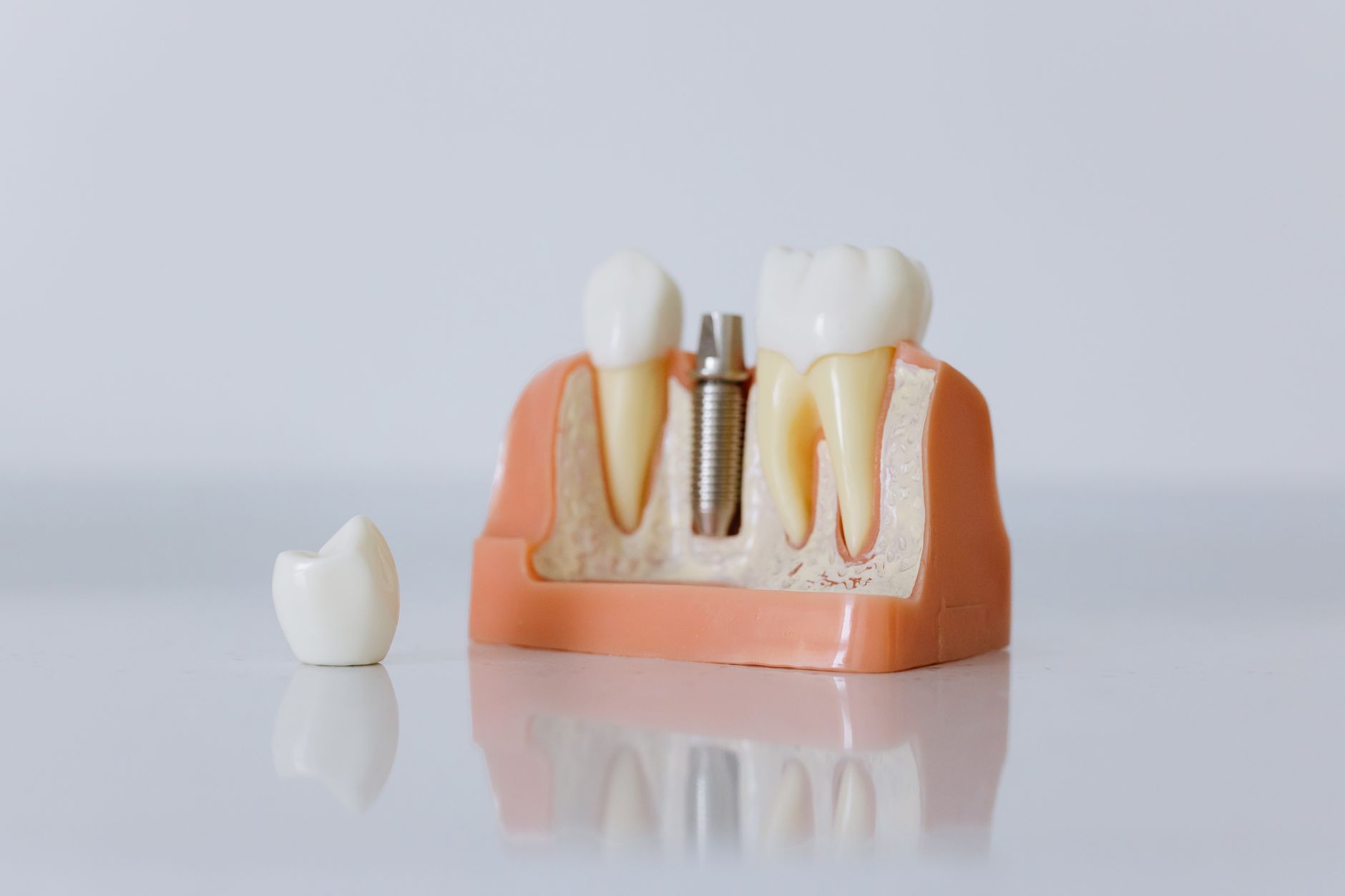
A dental implant is a small titanium or zirconia post placed into the jawbone, left to integrate with the bone over a period of months, and then topped with an abutment and a crown, bridge, or denture. That means at least two distinct phases of care: a surgical phase (placing the post) and a restorative phase (designing and fitting the visible tooth). Some providers handle both phases themselves; others split the work between a surgical specialist and a restorative dentist, coordinating through shared imaging and a written treatment plan.
Neither approach is inherently better — what matters is that the people involved communicate clearly and that you understand, before any procedure, which provider is doing what. If your dentist refers you out for the surgical portion, ask how the two offices will coordinate your records and timeline.
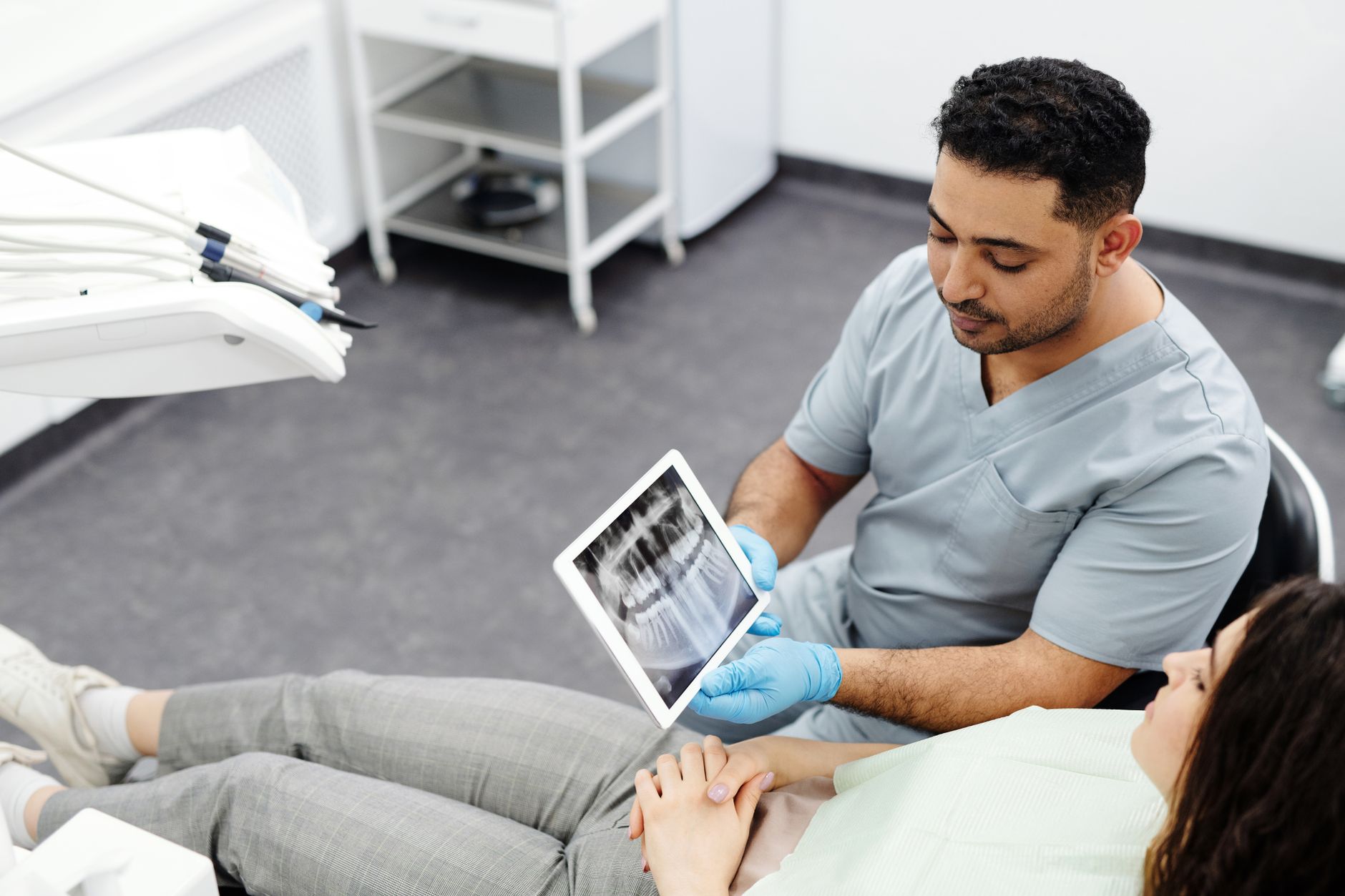
Any legitimate evaluation for implants starts with a clinical exam and 3D imaging (usually a cone-beam CT scan) to measure bone volume, check sinus position in the upper jaw, and rule out infection or gum disease that would need treatment first. A general dentist can usually perform this initial evaluation and refer you onward if needed.
Dentists · San Jose, California
Willow Glen Dental is listed in the directory's general dentists category in San Jose. A general dentist's office is a reasonable starting point if you are not yet sure whether you need a specialist, since they can review your bone structure and gum health and point you toward the right next step.
Once imaging is done, the right specialist depends on what your case needs:
Oral & Maxillofacial Surgeons · San Jose, California
Yu Oral & Facial Surgery is listed in the directory's oral and maxillofacial surgeons category in San Jose, which is the type of practice typically involved when a case needs surgical bone work alongside implant placement.
Prosthodontists · San Jose, California
Nick M. Nguyen, DMD is listed under prosthodontists in San Jose. A prosthodontist is the specialist most practices bring in when the final restoration — rather than the surgery itself — is the complicated part of the case, such as matching a crown to the rest of a visible smile or planning a full-arch implant denture.
A growing number of practices market themselves as dedicated implant centers, offering both the surgical placement and the restorative crown in the same office. That can simplify scheduling, but it is still worth asking the same questions you would ask any specialist: who specifically performs the surgical portion, what their experience is with your type of case, and what happens if a complication requires a referral elsewhere.
Dental Implants · San Jose, California
Dental Implants · San Jose, California
Dr. Prasit Aranyarachkul, DDS and Mark C. Fagan, DDS, MS are both listed in the directory's dental implants category in San Jose. Each listing shows the practice's category, address, and contact information — a useful starting point for calling and asking how they structure the surgical and restorative phases of treatment.
Dental Implants · San Jose, California
Sky Dental Implant Center is also listed under dental implants in San Jose; as with any implant-focused practice, confirm directly which clinician performs which part of your treatment before scheduling.
Implant treatment timelines vary by case, but most follow a similar overall shape. The first visit is the consultation and imaging described above. If a tooth needs to be extracted first, or if the bone at the site is too thin to support an implant, your provider may recommend a bone graft and a healing period before placement — this can add several months to the overall timeline. Once the site is ready, the implant post itself is placed in a short surgical appointment, usually performed under local anesthesia, with sedation options available at many practices for patients who are anxious or need a longer procedure.
After placement, the implant needs time to fuse with the surrounding bone, a process called osseointegration that commonly takes a few months before the practice is confident the post is stable enough to support a permanent restoration. During that healing window, you may wear a temporary tooth, depending on the location and your dentist's approach. Once integration is confirmed, the restorative phase begins: impressions or digital scans are taken, and the permanent crown, bridge, or denture is designed, fabricated, and fitted. Ask your provider up front how many total appointments this sequence is likely to take for your specific case, since that figure varies with complexity far more than most people expect going in.
| Provider type | Typical role | When they're usually involved |
|---|---|---|
| General dentist | Initial exam, imaging referral, sometimes restorative crown | First visit, or for straightforward single-tooth restorations |
| Periodontist | Gum and bone evaluation, implant placement | Cases involving gum disease or bone grafting around the implant site |
| Oral & maxillofacial surgeon | Surgical placement, sinus lifts, complex extractions | Significant bone loss, impacted teeth, or sedation needs |
| Prosthodontist | Designing and fitting the final crown, bridge, or denture | Multi-tooth cases, full-arch restorations, or cosmetically visible teeth |
This table reflects how these roles are generally defined in dentistry, not a claim about any single San Jose practice's internal staffing — confirm with each office how they divide the work.
Before scheduling a procedure, it helps to ask every provider on your shortlist the same set of questions so you can compare answers directly:
A practice that answers these clearly, in plain language, and without pressure to decide immediately is generally easier to work with than one that rushes the conversation.
Dental implants are often only partially covered by dental insurance, and coverage varies significantly by plan — some policies cover the crown but not the surgical placement, or vice versa, and some exclude implants entirely while covering a bridge or denture as an alternative. Because pricing depends on the number of implants, the type of restoration, whether bone grafting or a sinus lift is needed, and the specific practice, this guide will not state prices; check current rates directly with any office you are considering. Ask each office for a written treatment plan with an itemized cost estimate, and ask your insurance carrier directly what portion, if any, it will reimburse before treatment begins rather than after.
Beyond standard dental insurance, some patients use a health savings account (HSA) or flexible spending account (FSA) to cover part of the cost, since implant treatment generally qualifies as an eligible medical expense under those plans — confirm the specifics with your plan administrator. Many practices also offer in-house financing or third-party payment plans through outside lenders; ask about interest rates, the length of the repayment term, and whether there is a penalty for paying the balance off early before signing anything.
It is reasonable to get a second opinion before implant surgery, particularly for full-arch or multi-implant cases. Be cautious of any office that proposes implant surgery without first taking 3D imaging, that cannot explain who will perform each phase of treatment, or that pressures same-day payment for a procedure you have not had time to research. A second consultation, even a brief one, costs little compared to a surgical procedure and gives you a point of comparison for both the clinical plan and the price estimate.
If your evaluation turns up gum disease, cavities, or other issues that need to be addressed before implant surgery can proceed, you may need a general dentist in the meantime. The directory's San Jose dentists category lists general practices across the city, and the San Jose area page covers every category of dental and medical listing there, including the oral surgeons, prosthodontists, and dental implants categories referenced above.
Choosing a dental implant provider in San Jose comes down to matching the specialist to your specific case — periodontist or oral surgeon for the surgical placement, prosthodontist for a complex final restoration, or a combined implant center if you prefer one point of contact — and asking the same direct questions of every office you consult: who does what, what imaging they use, and how they structure cost and insurance. None of this replaces an in-person exam. Always confirm treatment recommendations, timelines, and prices directly with the practice before scheduling a procedure, since a directory listing or a general guide like this one cannot account for the specifics of your individual case.
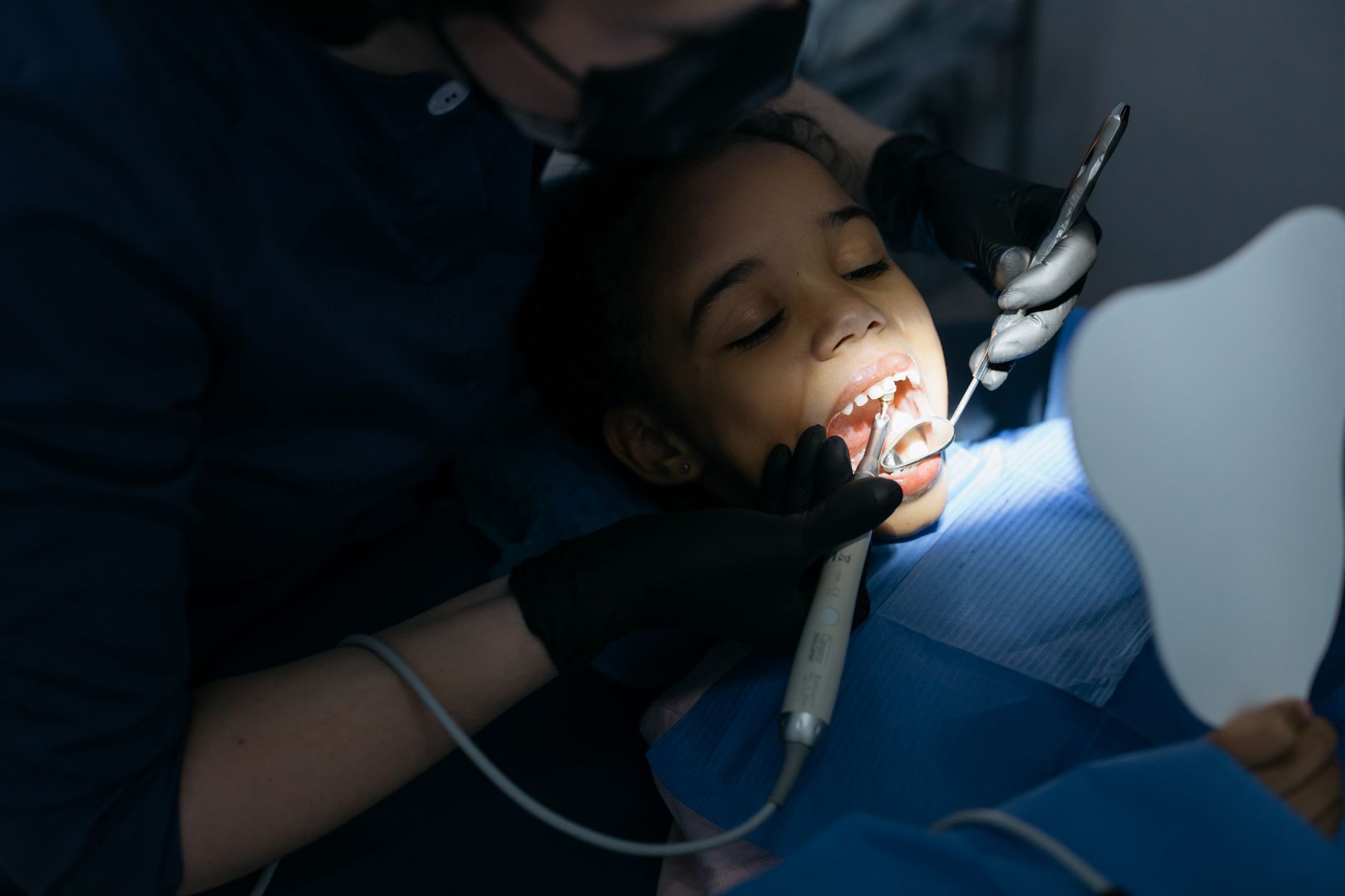
20 Oct 2026 · 8 min read
What to ask Tampa pediatric and family dentists before booking your child's first visit, by age and need.
tampa florida pediatric-dentist
19 Oct 2026 · 9 min read
What really drives cleaning, crown and implant costs in Buffalo, NY, and real local dentists and specialists to compare.
buffalo new-york dental-costs
18 Oct 2026 · 9 min read
What cosmetic dentistry covers in Long Beach, how it differs from restorative care, and what to ask before booking veneers, whitening, or Invisalign.
long-beach california cosmetic-dentists